
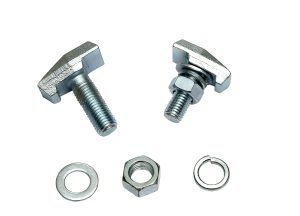
Elevators are essential in residential buildings, offices and hospitals, where dependable operation matters. Choosing suitable, high-quality guide rail clip bolts is an important part of the installation. What materials are normally used, and how can quality be checked?
What Steel Is Used for Guide Rail Clip Bolts?
Carbon steel or alloy steel is commonly selected to meet strength and wear-resistance requirements. Material properties and surface protection must suit the pressure, vibration and environmental conditions expected in service.
The original article cautions against low-cost products made from poorly controlled recovered material. Material that does not meet the specification can reduce component life and create defects, even when the purchase price appears attractive.
How to Check Quality
1. Inspect the appearance. Look for damage, corrosion and deformation. A compliant product should have a clean, sound surface without obvious defects. Bolts with cracks or significant wear should not be installed.
2. Check dimensions. Rail clip dimensions vary with the application and elevator model. Measure the bolt diameter and length and compare them with the drawing or design specification. Significant deviations indicate a non-conforming component.
3. Consider ultrasonic inspection where specified. Ultrasonic testing can help detect internal cracks, porosity and inclusions. Any defects identified must be evaluated and resolved before the part is used.
When a product is priced far below comparable offers, investigate the material and manufacturing quality. A lower purchase price is poor value if the component does not meet the required specification.