
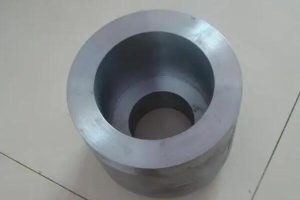
Forging is an important process in the manufacture of standard and special-shaped components. It forms material into different shapes and sizes and offers advantages over conventional casting. Customers often ask how stainless steel forgings are made and what the process requires.
How Are Stainless Steel Forgings Made?
Forging applies pressure to stainless steel to produce the required shape. More complex parts may require several forming stages. The magnitude and location of the applied force are critical: poor control can produce a rejected part.
The process requires precise and consistent hammering or pressing. Control of internal voids and inclusions affects finished-part quality. Properly controlled forging can improve the strength-to-weight performance of the component.
Processing Requirements
1. The forging process should produce a compact material structure and the strength required in service. Both standard and custom parts have strength requirements that must be considered when designing the process.
2. Preserve and guide the metal grain flow through the component. The process should improve material properties without damaging the continuity of the material structure.
3. Forging allowances and dimensions must meet the applicable specifications. The material must match the component requirements, and required properties should be tested and verified before shipment.
4. Choose an appropriate forging ratio for the part geometry. Temperature, forging frequency and pressure all require close process control.
5. Finished forgings should have a regular, uniform appearance without laps, fractures or similar defects.